Malaria
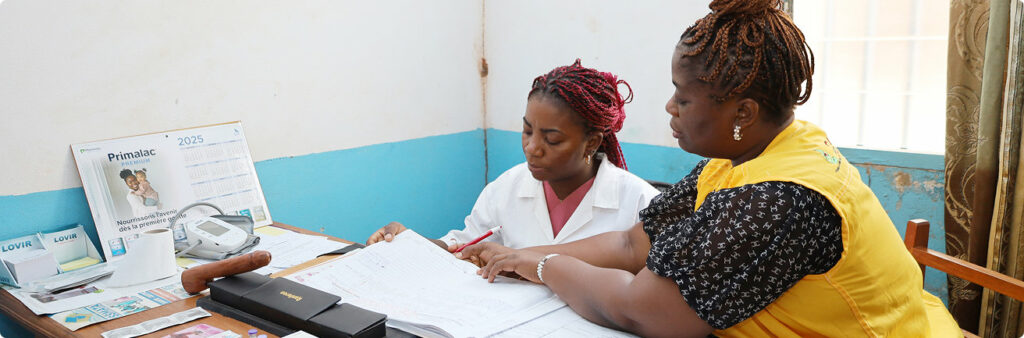
Cameroon is one of 11 countries that together account for 70% of the estimated burden of malaria cases and deaths worldwide. Despite a reduction in the number of malaria cases and deaths between 2005 and 2011, both measures have since increased. The Global Malaria Strategy 2020 targets call for a reduction in malaria incidence and mortality rates of at least 40% between 2015 and 2020: unfortunately, results for Cameroon have remained unchanged over this period, and malaria remains a major cause of morbidity and mortality, with 6.9 million cases and 15,000 deaths estimated in 2020.
Our approach to transforming healthcare
Improving the reach of malaria prevention and care
We extend coverage of quality, accessible and affordable malaria care to communities, including cost-effective solutions such as perennial malaria chemoprevention to prevent malaria in young children in areas of high transmission during their most vulnerable years.
Using data to make decisions
We involve health system stakeholders, patients and caregivers at all levels to collect data and generate valuable information on the availability, need and use of essential health services, systematically and continuously.
Exploiting digital technologies and innovation
We develop digital tools that improve service delivery: from the distribution of mosquito nets and chemoprevention campaigns, to channel-specific training to build the capacity of health workers, to applications that facilitate access to information and decision-making by providers in the management of malaria cases.
ACMS implements anti-malaria projects, including awareness-raising campaigns and the distribution of impregnated mosquito nets. These initiatives aim to inform communities about preventive measures.
Featured projects
SEMBE I
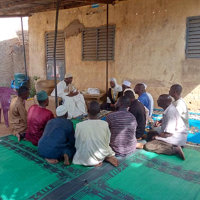
The System to End the Malaria Burden Through Meaningful Engagement (SEMBE I) project, implemented in the Far North region, aims to strengthen the capacity of the Cameroon government and local partners to lead and promote local solutions in the fight against malaria. SEMBE I works with stakeholders (health systems at regional, district and community levels) to improve the delivery of malaria-related services, including community-based malaria case management, prevention of malaria in pregnancy, chemoprevention of seasonal malaria by strengthening community health implementation and the performance of community health workers (CHWs). The project is implemented through xxx Community Health Workers in 32 health districts.
ACT-Watch
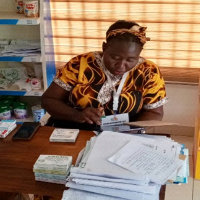
Le projet ACT-Watch
Stay informed with our newsletter
Sign up to receive the latest ACMS news and updates straight to your inbox.